Branding vs. Marketing Isn’t the Real Debate—It’s What You Do With Your Brand That Matters
August 5, 2025
Let’s clear something up right from the start: branding and marketing aren’t twins. They’re more like second cousins once removed—related, hanging out at the same table, but definitely not the same person. A product is something you buy, a brand is something you buy into.
So here’s a more familiar picture: you’ve got the budget allocated, media in market, performance metrics on the dashboard, maybe even a new campaign featuring that drone footage everyone begged for. But despite the investment, the work falls flat, or doesn’t meet performance expectations. Engagement is fine, but not sticky. Partners are nodding along, but not fired up. And internally? You’re still trying to answer the question: why isn’t this clicking?
Here’s what’s usually missing: branding.
We see it all the time—marketing plans running full speed without a clear identity behind them. It’s like filling the tank of a car that hasn’t figured out where it’s going—or worse, doesn’t have an engine. Spoiler alert: it’s not going far.
When communities focus only on promotion without first figuring out what makes them magnetic, memorable, and meaningful, marketing becomes noise. Brand is the thing that turns heads and keeps people curious long after the ad scrolls by.
You need a story and a strategy that makes people want to be part of it.
Here’s what this looks like when we roll up our sleeves and do the work together.
Marketing is loud. Branding is the whisper you remember.
Marketing is the activity. The action. The megaphone.
But branding? Branding is the soul of community. It’s the pause. The feeling. The “ohhh this place gets me” that sneaks in between the hashtags and headlines.
When destinations jump into tactics before they know who they are and identify their brand elements, they end up sounding like everyone else. This is where separating branding vs. marketing becomes pivotal.
So if you’re a DMO asking, “Do we need branding?” the answer is: you already have one. It’s just either 1) accidental or 2) under construction.
Brand Components: The Anatomy of a Brand
Here are your brand components:
- A point of view
- A personality
- A voice
- A visual style
- A promise (hint: it’s not a destination feature like “we have hiking”)
Your brand isn’t built in one big moment—it shows up in every touchpoint, from the splashy campaign to the fine print on a parking sign. These moments can absolutely be part of your marketing, but they have to start with something more grounded: clarity.
Here are a few practical ways we help communities define and build a brand that actually connects with travelers, partners, and locals alike:
1. Listen with Purpose
Before you start defining your brand, spend time gathering insights—from your travelers and your community. What do visitors rave about? What do locals want protected, celebrated, or shared more thoughtfully? Using insights gathered from things like surveys, social listening, stakeholder interviews, SEO research, and audience research, we can uncover meaningful themes. This step isn’t about confirming your assumptions, it’s about uncovering real perceptions, experiences, and expectations.
“Your audience is already telling you what they care about,” said Elise McClain, MarTech Director. “SEO and data insights just help you hear it at scale.”
Search behavior reveals more than curiosity, it also exposes intent, confusion, and desire. It lets you zoom in on how travelers are actually searching. That means seeing the questions they’re asking, the comparisons they’re making, and the experiences they’re craving, even before they land on your site. For instance, are people searching “best beaches in the South” and not seeing your site? That’s a signal. Are AI Overviews pulling competitor content instead of yours? Another signal.
What’s more, in the age of AI, having a well-optimized brand allows your site to surface more frequently in search results. If search engines like Google can’t confidently connect the dots between your destination and relevant topics, someone else’s content will fill that gap. In a study conducted this year by Ahrefs, we see that branded web mentions have the strongest correlation with visibility in Google’s AI Overviews, meaning that what you and others say about your brand matters more than ever.
“We’re talking about whether people can actually find you,” said McClain. “Search data shows what’s working and where you’ve got room to grow.”
Steps to Enhancing Brands through Data:
- Audit how your brand is showing up in search results, AI overviews, third-party content, and competitor comparisons to set a clear starting point
- Identify niche themes worth building brand content around (ex: family activities, local flavors, etc.)
- Spot messaging gaps or concerns from travelers (ex: “Is Destination X safe?” or “Destination X vs. Destination Y”)
- Gather insights on resident and traveler sentiment by tracking the questions they’re asking and the topics they’re most curious about
“At the end of the day, you can have a beautiful, thoughtful, and meaningful brand story, but if it’s not first rooted in how people search, it’s kind of like throwing a party and forgetting to invite folks,” said McClain. “SEO and data insights help you lay the groundwork to meet travelers where they are, and later guide them to your front door.”
2. Define What Sets You Apart
Ask: What is the essence or driving emotion of our community experience that no one else can truly replicate? This is your positioning. It’s not about being everything to everyone. It’s about naming and owning the distinct value your community offers—whether that’s rooted in history, culture, natural landscapes, or resident-led creativity.
Our own SVP of Brand Strategy, Matt Stiker, said it best, “You can’t earn trust with a clever headline alone, or outspend your way into someone’s heart. Marketing is the invitation—branding is the relationship. One drives attention, the other builds meaning. And in travel, you need both. People might book a trip because of a deal, but they come back—and tell their friends—because of how a place made them feel.”
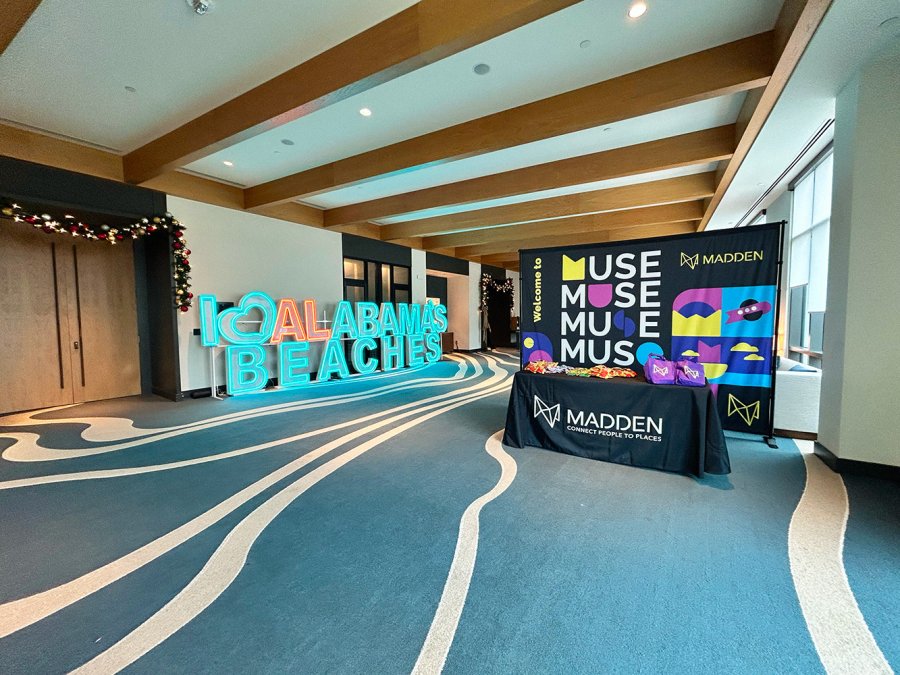
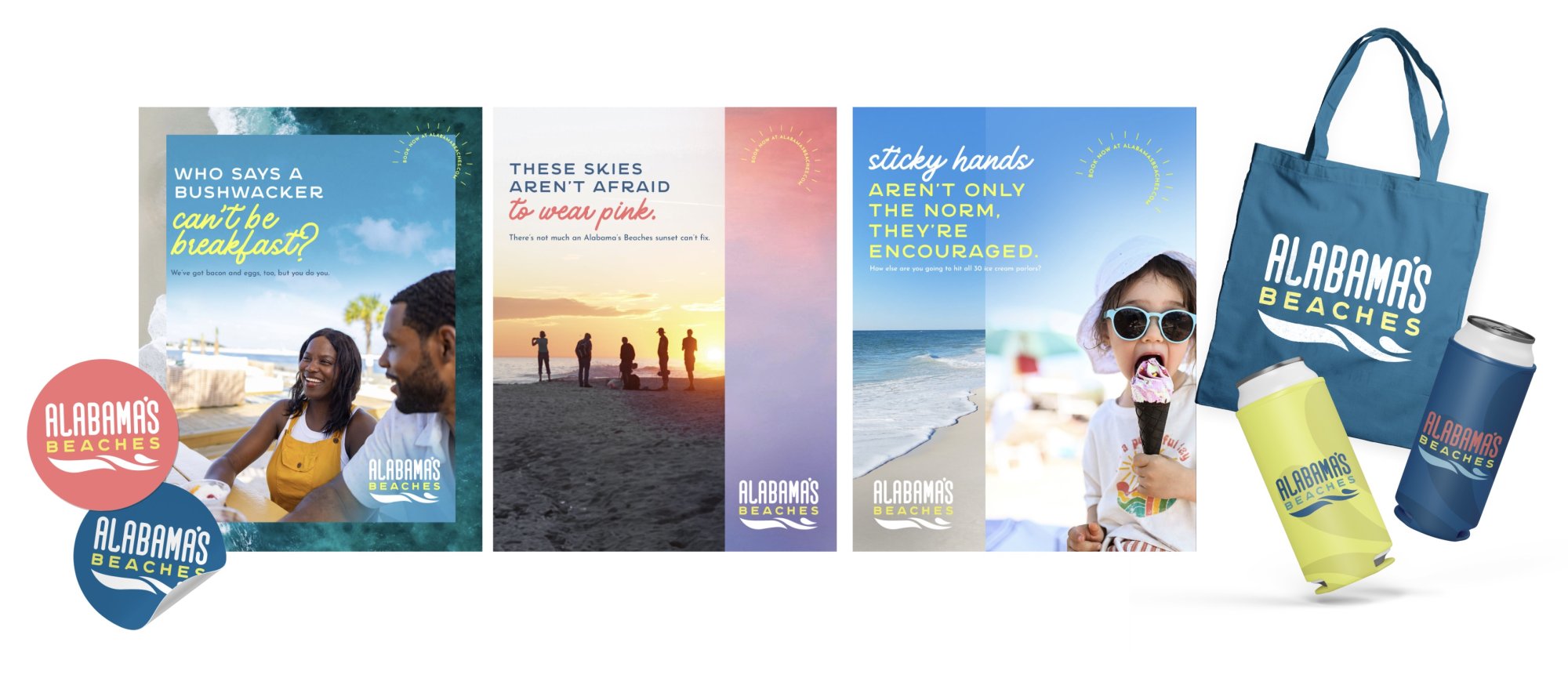
We at Madden often equate these to emotions to evoke. Alabama’s Beaches redefined the meaning of “beach recharge,” and the Evergreen Coast redefined authenticity and grit to show their wild side. Make this definition actionable enough to guide everything from messaging to partner engagement.

3. Shape a Voice That Reflects Your Community
Your brand voice should be as unique as your town square or main street. Decide how your community should sound in communications. Is it friendly and welcoming? Playful and offbeat? Proud and poetic? Create clear examples of tone and messaging dos and don’ts to keep everyone aligned—from your marketing team to your partners using your brand in their own materials.
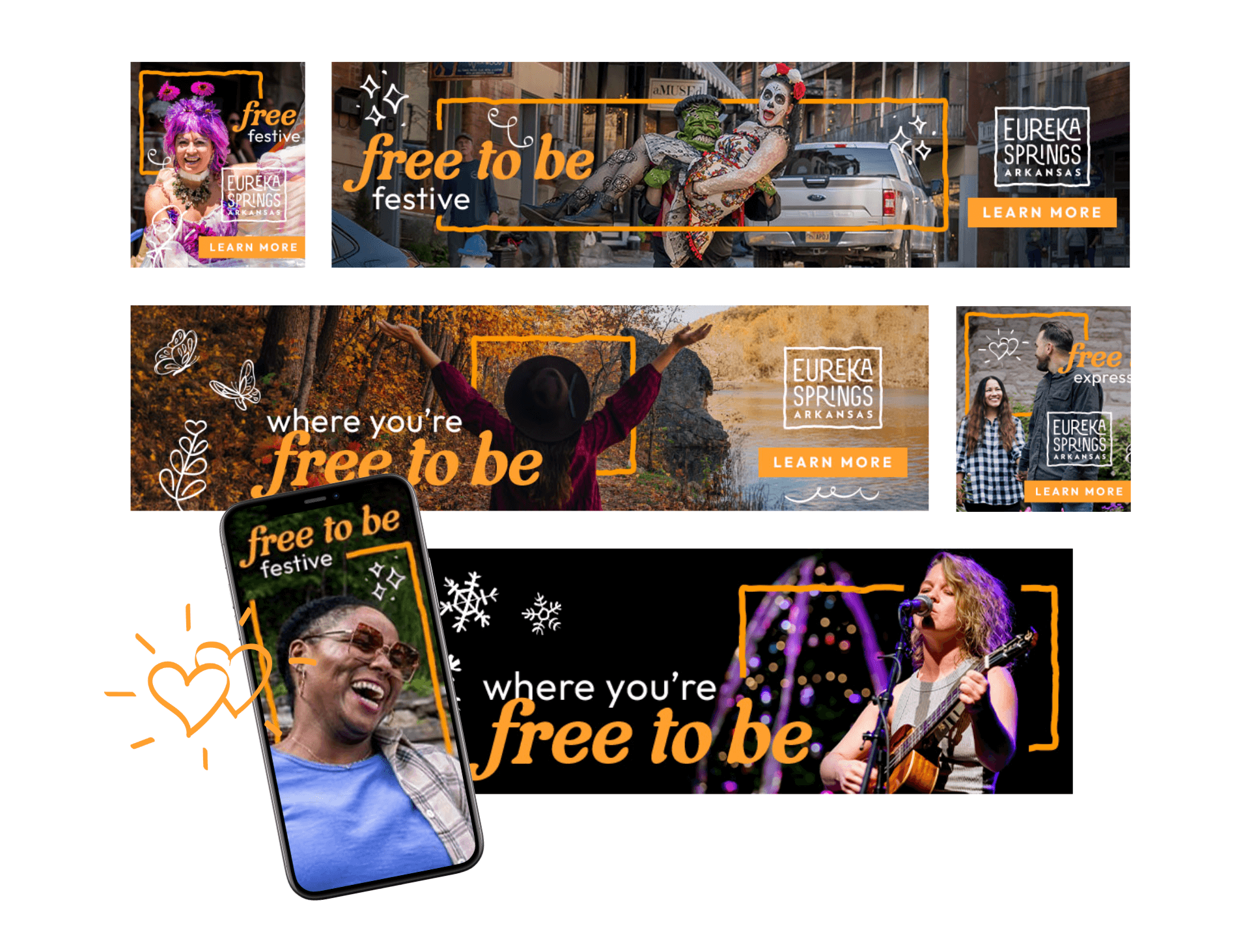
Take Eureka Springs, for example. Their “Free to Be” campaign didn’t shy away from personality—instead, it leaned all the way in. With a voice that’s bold, quirky, and full of character, Eureka Springs made it clear: this is a place where individuality isn’t just accepted, it’s celebrated. That voice shows up everywhere—from ad headlines to wayfinding signs—and it’s helped the community stand out.
4. Design a Visual Identity That’s More Than Pretty
Your logo, color palette, and typography should reflect your brand personality—but also work hard for you. Make sure your branding elements are accessible, consistent across platforms, and flexible enough to be used by tourism partners, board members, and media. Every visual choice should connect back to the emotions and values you uncovered in your brand definition.
Winston-Salem took this idea a step further—not just in voice, but in visuals. Known for the tell-tale dash in its name, the community embraced its dual identity in a fresh way during the “Twice as Nice” campaign. Instead of a simple separator, the dash evolved into a plus sign—symbolizing the power of pairing: tradition + innovation, arts + industry, grit + grace. That subtle design pivot helped turn a punctuation mark into a brand device—flexible, expressive, and deeply tied to the community’s story. It’s a small change that made a big impact, visually reinforcing their identity across every touchpoint.

5. Align Internally Before You Go External
Your new brand isn’t done until your stakeholders are bought in. Host workshops, provide brand training, and develop toolkits to help your community partners use the brand correctly and proudly. If your team, board, and local partners don’t understand or support the brand, you will experience challenges in gaining traction publicly. Alignment creates consistency—and consistency builds trust.
branding vs. marketing
Imagine texting a friend “I’m outside” and then realizing you never said you were coming over in the first place. That’s what marketing without branding is.
You’re yelling into the world about your fall festivals and Instagrammable alleys and charming shops, but people don’t know why they should care, or how they should feel about it. Because your brand didn’t tell them first.
Marketing is the broadcast. Branding is the backstory.
Marketing is what you say. Branding is the meaning behind it.
When it comes to branding vs. marketing, branding is the foundation. It’s your voice, values, tone, and visual identity—the emotional context that gives your marketing meaning. Without it? Campaigns feel scattered, like a puzzle built from pieces that don’t quite belong together.
At its core, branding is the soul of your community’s story. So how do you build a brand that lasts? Enter Madden’s 5 C’s Framework: our secret sauce for crafting community-based brands that resonate, rally communities, and get people talking (and more importantly, traveling).
Madden’s 5 C’s: The Branding Framework Built for DMOs:
- Company (Goals & Alignment): We start by aligning with your Key Business Objectives (KBOs) and strategic plans. Whether it’s highlighting small-town charm, or a regional reinvention, your goals shape the strategy. No fluff — pure focus.
- Community (Authenticity from the Ground Up): Branding without community input is like throwing a party and forgetting to invite the guests. We tap into pisces from every corner—residents, stakeholders, city leaders—to shape a brand that truly belongs to the people it represents.
- Culture (Relevance that Lasts): Trends, social movements, tech shifts, algorithm changes—we zoom out to see what’s shaping travelers’ mindsets and zoom in to make sure your brand stays sharp, inclusive, and built to last.
- Competition (Standing Out Where it Matters): What makes your community unmissable is already there—we’re here to help you see it more clearly and say it more confidently. Through thoughtful competitive analysis, we work with you to highlight what sets you apart, so your brand speaks with purpose.
- Consumer (Connection is the End Game): It all comes down to people. We map your audience’s behaviors, needs, and aspirations, and shape a brand that feels like a magnet—pulling them in and making them feel like they were meant to be there all along.
Your community deserves a brand that fits; that doesn’t sound like a PowerPoint deck read out loud. One with some grit, some heart, maybe even a little sass if that’s your speed.
And once you’ve got that? The marketing starts to flow. Content writes itself. Campaigns perform. Visitors come back. Locals feel proud. Stakeholders nod in meetings. Magic? No. Branding.
TL:DR
- Branding and marketing? Not interchangeable. They each do important work—but they serve different purposes.
- Modern branding isn’t just about style. It’s about showing up in search, being talked about, and making it easy for AI and search engines to connect the dots.
- Brand components are what shift a place from “worth visiting” to “somewhere I feel connected to.” That emotional bond is what keeps people coming back—and talking about it.
- Branding isn’t one and done. It’s a cycle: listen to your community, define what makes you different, find your voice, align your visuals, and repeat when things shift.
- Your brand is more than colors and logos. It’s the tone people hear, the feeling they get, the trust they build.
Strong branding supports everything else. Ads, content, partnerships—they all click better when they’re rooted in a clear, cohesive brand.
We’re not here to toss around buzzwords. We’re here to work with you—to help your community show up in the world the way it should be seen.
From shaping the brand to getting the message out, we’ve got you covered. Strategy, creative, media, and everything in between—with a team that knows this space deeply and is in it for the long haul.
You don’t have to figure it all out before reaching out. If your brand feels a little unclear—or a little underloved—we’re already imagining the possibilities.👉 Let’s talk about it.