How Cities Grow Big: From Local Gem to Global Icon
October 14, 2025
Some cities begin as word-of-mouth favorites—places you tell friends about. Others grow loud. Fast. But the ones that stick? They earn their place in the global space.
Look back far enough, and every global icon—Tokyo, San Francisco, Copenhagen—was once someone’s best-kept secret. The difference between staying local and going global? It’s story, strategy, and a clear-eyed commitment to who you are and what you’re building.
In a world where attention is currency, cities aspiring to global checklist status must pass a new test: they can’t just be visible, they must be memorable. That’s where our Attention C.O.D.E. framework becomes relevant. As our CEO Dan Janes wrote, creative must be Compelling, Ownable, Differentiated, Emotional to endure beyond fleeting impressions.
So how does a city make that leap? How does it evolve from being “nice to know” into “everyone knows”? We believe the leap happens when two forces combine:
- Culture: Your people, your moments, your soul.
- Innovation: What you’re building for tomorrow—and who it’s for.
Here’s where story meets strategy—and cities start their climb.
The Local Legend Phase: Strong Roots, Intentional Reach
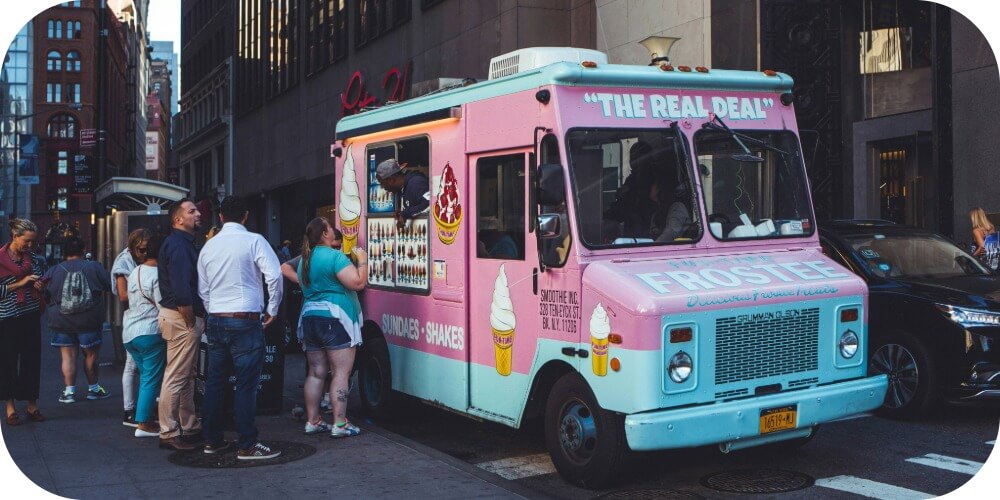
At this stage, a city’s appeal is strongest among insiders and early adopters. Local legends thrive on authenticity. Their identity is rooted in lived culture. The food trucks everyone swears by. The festival lineup that somehow always sells out. The tiny venue where the next big artist got their start.
But here’s the challenge: culture doesn’t scale on vibes alone. It needs clarity. Curation. And the confidence to stop chasing every trend that comes knocking.
Madden’s work with destinations often begins with deep immersion—on-the-ground listening to residents, stakeholders, and unexpected local storytellers. That’s how we find the nucleus of what’s authentic and untouchable.
Word-of-mouth is powerful, but if you want the world to listen, you need tools to amplify your voice. That means understanding how travelers discover new places—and increasingly, that discovery happens through technology. Whether it’s AI-curated trip planning, hyper-targeted paid media, or immersive content platforms, tech doesn’t replace culture—it’s how culture travels. Tuning into emerging travel technology trends can help local legends figure out not just who’s listening, but who’s ready to believe in their story—and share it with the rest of the world.
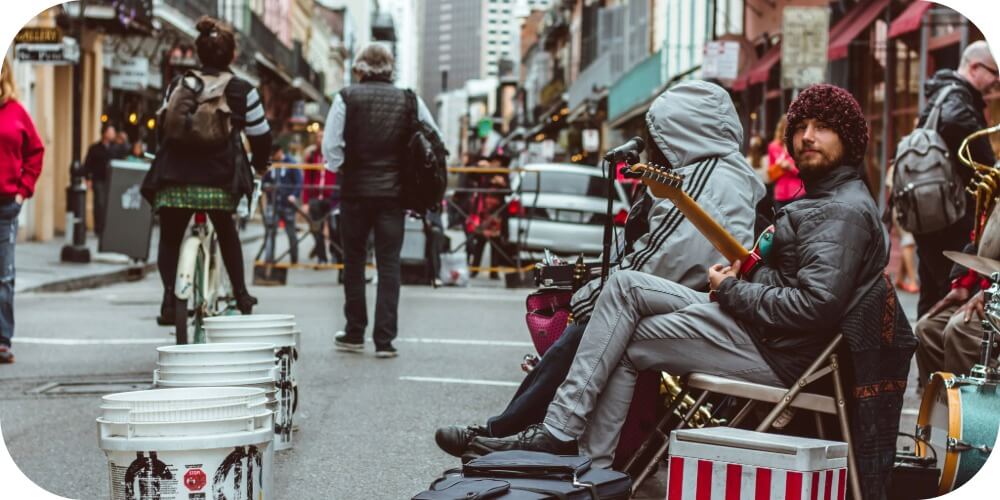
The Threshold: When the World Starts to Notice
The real inflection point happens when ambition collides with clarity. A city starts to look outward, asking not just, What do we mean to ourselves? but What do we mean to the world?
The shift from local gem to regional draw is where most cities get stuck. Why? Because scaling visibility can dilute identity. Suddenly you’re trying to please everyone—and sounding like no one.
Here, clarity becomes the differentiator. Cities must ask themselves:
- Which stories feel globally universal? Which ones lose something when taken out of context—and which only grow stronger?
- Which cultural moments are exportable—without losing nuance?
- Which tech platforms can actually carry our voice, not flatten it?
The strongest cities choose. They decide which stories are worth amplifying, which moments embody their essence, and which values they want to stand for. They stop chasing attention and start building resonance.
When Innovation Is Part of the Personality
Barcelona started blocking off cars and rolling out superblocks before urban planners could even spell “pedestrianization.” Trash cans talk to each other. Lampposts dim when nobody’s around. The infrastructure flex isn’t loud—it’s lurking in the background like a character you didn’t realize was the lead until halfway through the movie. And suddenly, you’re rewatching every frame.
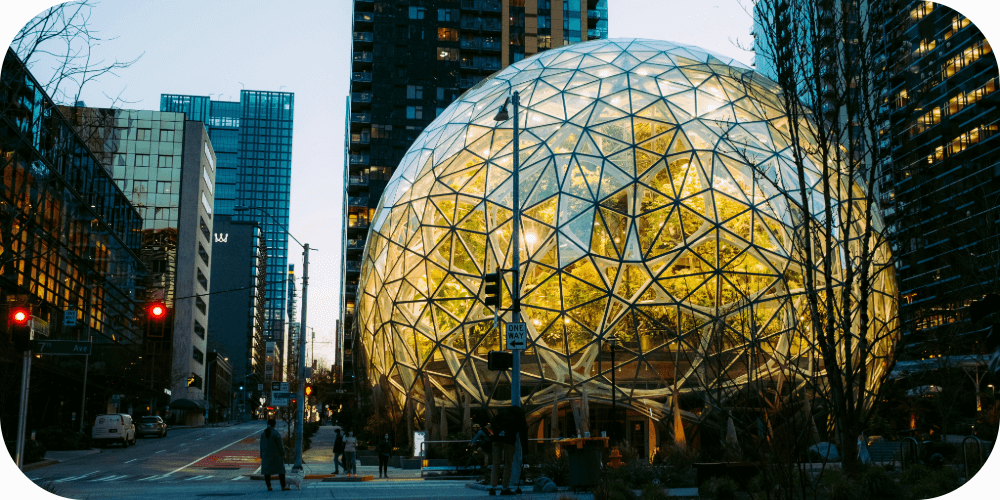
Seattle became the blueprint for future-forward not because of its skyline, but because it fused cloud computing, music history, and startup energy into a single, recognizable rhythm. It doesn’t yell about being techy. It shrugs like, “Yeah, we did that too.”
Innovation matters—but it has to mean something. Green infrastructure, mobility pilots, civic tech—they’re forgettable unless they feel like you, and are connected to your community’s identity.
In all these places, technology alone isn’t the point. It’s the connective tissue bridging the present with the future, and when it’s woven into your brand and storytelling, cities make the leap from “That place is doing some cool stuff” to “Of course they’re doing that. It’s so them.”
And that’s the move. You want innovation so baked into the brand that when someone hears your name, they assume you’re already building what comes next—even if you haven’t told them yet.
Let’s talk about the other half of what makes a city unforgettable—the soul, not the system: culture
Culture: The Energy Behind the Brand
Before the first headline. Before the first campaign. Before the “visit now” CTA. There’s the feeling.
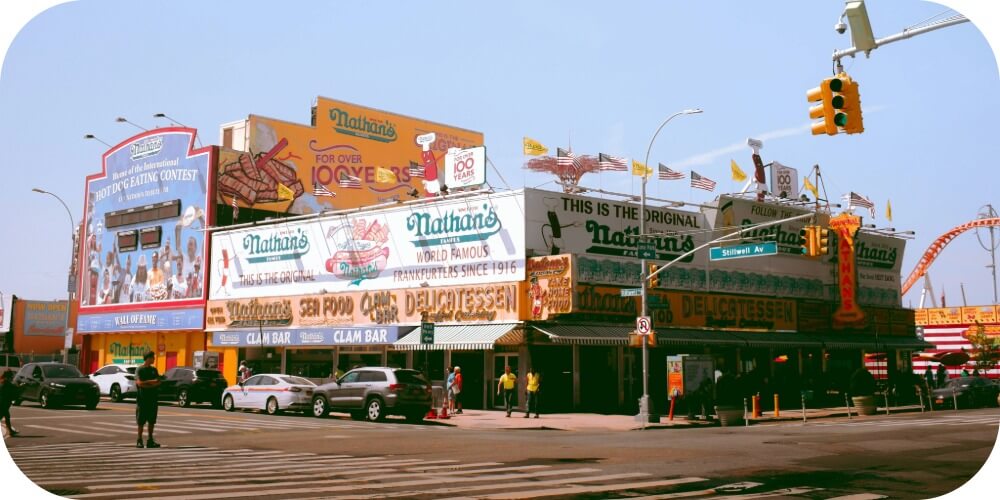
The one that hits you in the airport terminal. Or in a packed field at a summer festival. Or at the corner diner where the biscuit recipe hasn’t changed in 40 years—because it doesn’t need to.
That is culture.
Culture gives your city texture. Edge. The kind of energy you can’t fake—and definitely can’t copy. It’s something visitors don’t just remember—they talk about it like they were lucky to be in the room where it happened. And when it’s woven into your brand, suddenly you’re offering belonging.And here’s the secret no one tells you: the cities that win culture don’t chase cool. They commit to their quirks. They say “no” to what doesn’t fit. They preserve what makes them weird, and build from there.
When Communities Own Culture & Innovation
Some communities invest in innovation. Others live it. Some protect their culture like it’s fragile. Others let it lead. But the real magic? That happens when a city claims both—not as separate stories, but as the same sentence.
When communities claim innovation and culture as part of their community identity, they turn tech from tool to truth. It starts showing up in the language. The rituals. The pride.
Because here’s the thing: anyone can build a smart city. Anyone can host a street festival. But when your innovation sounds like your people—and your culture feels like it belongs in tomorrow? That’s when your brand becomes undeniable.
That ownership matters. Because when the people living in your city believe they’re part of something smart, future-facing, and intentional? That’s when the world starts to believe it too.
Mindset over Mechanics: How to Make the Leap
Technology, media buys, or dashboards alone don’t drive the global leap. The leap is made by discipline and mindset. Here are a few core shifts that every city making the jump must embrace:
- Voice-first, not tactic-first. Begin with narrative friction: a tension or paradox unique to the place. Let that be your roof—not just the visuals or the slogan.
- Selectivity over coverage. Global icons say “no” more often than “yes.” They don’t try to be everything to everyone.
- Embrace emotional tension. Some of the most powerful campaigns are built on friction, tension, or local debates. That edge is what resonates.
- Iterate with humility. The leap isn’t a single campaign. It’s a series of creative experiments, each refined with feedback.
- Prioritize legacy. Every campaign, every media buy, every public activation should ask: Will this age well? Will residents be proud of it in five years?
Madden’s creative philosophy is rooted in partnership—we create with communities, not over it. Every message is built to be so specific and authentic that it couldn’t simply be swapped out for another place and still make sense.
And here’s where travel industry technology isn’t the driver—but it can be the amplifier. Done right, it reinforces the story instead of flattening it.
Take our recent activation with Tampa Bay as an example. We partnered with Visit Tampa Bay to connect the city’s culturally diverse narrative with audiences well beyond Florida’s coasts. By pairing unique and ownable creative with mindful strategy, Tampa Bay was able to extend its voice while keeping the core story—authenticity, culture, and energy front and center.
TL:DR: The difference between a “local legend” and a “global icon” often comes down to clarity and consistency. Culture and innovation don’t magically create clarity and consistency—but they fuel it, amplify it, and make sure your message actually lands. It ensures that the authentic story of a place—the voice that locals know so well—reaches the intended audience, in the right context, at the right time.
Why the Evolution Matters
In today’s attention economy, cities can’t afford to stay “local legends” forever. The competition for visitors, talent, and investment is too fierce. Being globally recognized isn’t about vanity, it’s about opportunity.
But the path isn’t about shouting louder. It’s about sharpening the signal. The leap to global icon status happens when a city embraces ambition, defines its story with confidence, and tells it so clearly that the world can’t ignore it.
The Final Word
Cities don’t become icons by accident. They advance when leaders stop asking, “How do we get noticed?” and start asking, “How do we become unforgettable?”
In the age of infinite noise, the Attention C.O.D.E. framework offers a discipline for staying real when the pressure to scale urges you to simplify or genericize. The destinations that grow beyond legend into icons do so because they decide where they refuse to compromise—and then refuse them consistently.If your city is stepping toward the global stage, the question isn’t Can we get attention? It’s Can we sustain it?