Next Tier Unlocked: Here’s How to Own It
December 2, 2025
Congratulations, your city has hit the next tier of growth. The awards are on the shelf, the travel blogs are raving, and visitation numbers are at an all-time high. You’ve leveled up.
But before you settle into the spotlight, let’s talk about what comes next. While it may feel like your new, well earned success is the finish line you’ve been working toward, the real race is only just beginning. The strategies that got you where you are, the ones focused on discovery and sheer volume, won’t be enough to keep you here.
To keep the momentum alive, DMOs must evolve from being visitation-focused marketers and start showing up like brand managers. That means:
- Expanding beyond tourism dollars and building smarter revenue plays
- Telling a story that runs deeper than attractions and itineraries
- Locking arms with city leaders to align on talent, business, and community growth
Here’s how to compete and win in your new weight class.
From Contender to Champion: Sustaining Your Reputation
It’s about more than discovery now, it’s about depth. When your city’s the “it” spot, the real challenge isn’t getting attention, it’s turning into lasting connection that matters.
The move now is to shift from attraction to intention. And as we explored in The Attention Code, holding attention is about tapping into the story only your city can tell and delivering it in a way people actually feel. That means turning your marketing from a checklist of landmarks and must‑eat spots into a narrative rooted in local culture, neighborhood energy, and the why behind your community’s personality.
Eureka Springs recognized that and built a brand around emotional connection. That shift turned the town from a quirky vacation spot into something more lasting: a place people feel a part of.
More Than a Getaway: How Resilient Brands Scale
If your brand is built solely on leisure travelers, you’re on potentially shaky ground. Trends shift, flights get cut, TikToks fade. Without a broader base, the momentum you’ve gained begins to stall.
The M&C Power Play
Meetings and Conventions (M&C) are a key growth engine. They fill the mid-week and off-season gaps that leisure travel leaves behind, and their economic impact is staggering.
According to the U.S. Travel Association, $126 billion was spent on meetings and event-related travel in the U.S. in 2024. But nothing about that business is promised. Cities that want a piece of it need to show up with intent and a plan.
That means getting intentional about attracting high-impact conventions, trade shows, and corporate retreats. These are more than room nights, they’re opportunities to put your city in front of decision-makers and leaders. Attendees to these events are scouting more than venues, they’re scouting opportunities. A great event experience, site visit, conference, and business dinner is a chance to show decision-makers what it feels like to build a future in your city. When it’s time to choose where to move talent, open offices, or host their headquarters, your city is on the shortlist.
How do you win?
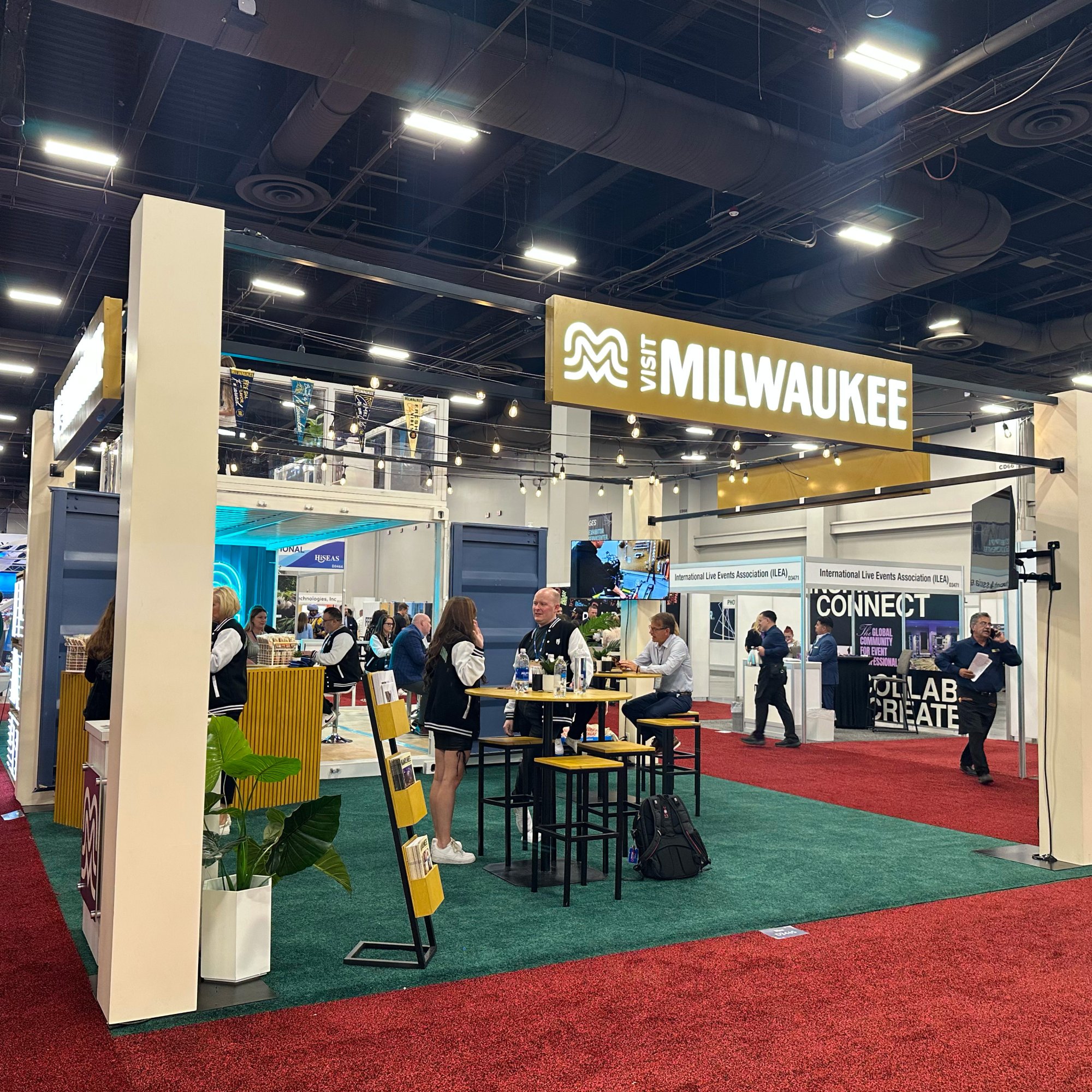
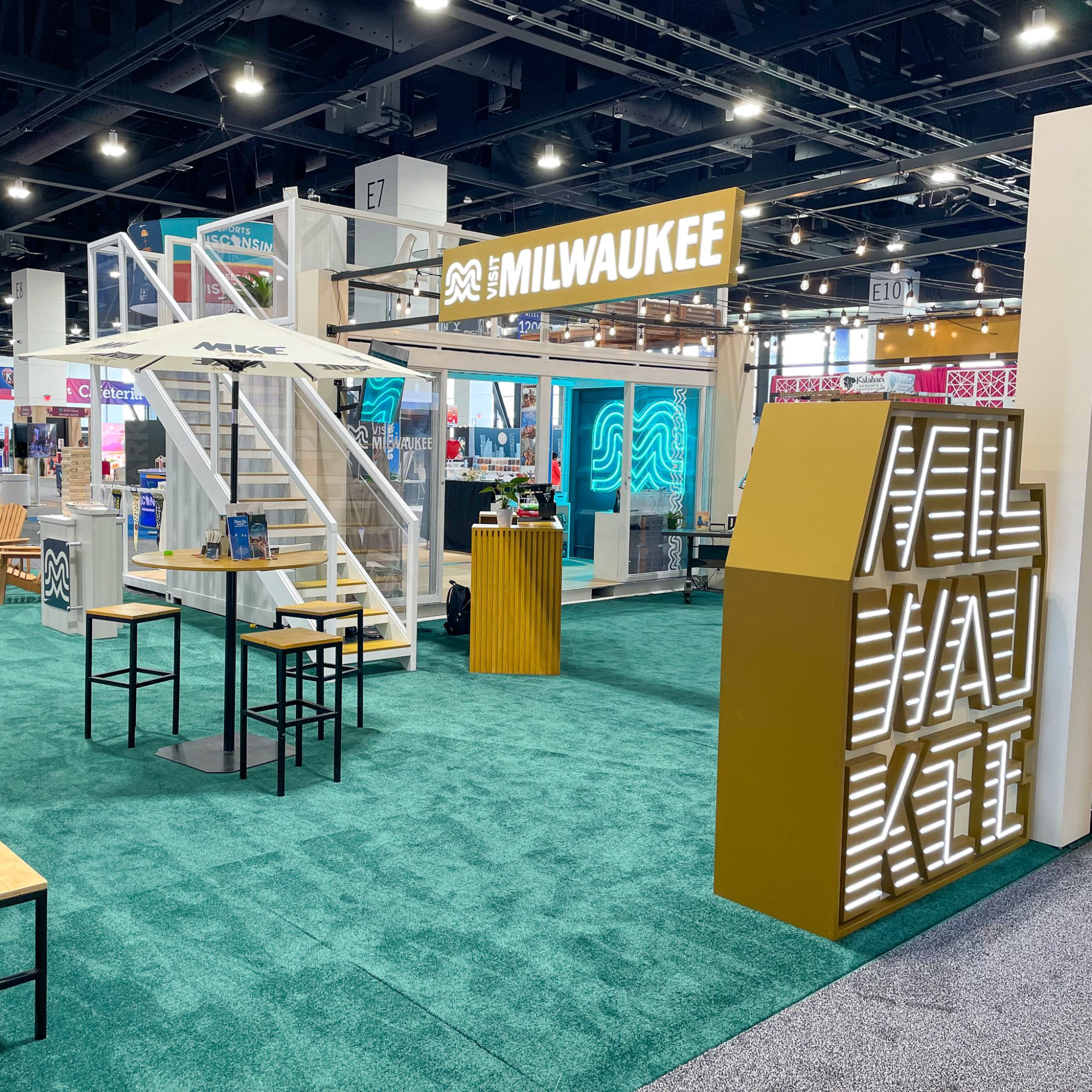
If you want to get decision-makers into your city, you have to move the meeting planners first. Visit Milwaukee understood that. They treated M&C like a priority. They went all in with a cohesive campaign that moved planners from “maybe” to “let’s talk.” We helped them build a full-funnel experience: high-impact creative that turned heads at trade shows, a booth that started real conversations, and a FAM tour that skipped the surface-level stops and dove into what makes Milwaukee feel like a win for attendees.
It’s the kind of approach that works even harder when paired with what planners care about most: value. Streamlined, competitive incentive packages focused on cost per attendee give cities a clear edge, especially when they can offer more experience for less spend. When that’s paired with storytelling that connects across every touchpoint, your city stands out.
Event Marketing: Make the Moment, Own the Spotlight
Where M&C delivers stability, events deliver spotlight. They bring people and put your city on the global map with the kind of cultural impact a traditional campaign can’t touch.
This is your chance to turn a moment into a movement.
The strategy?
Use high-profile, high-energy events, such as music festivals, global sports qualifiers, and niche tech summits, to drive large-scale, concentrated visitation while anchoring your city in the global conversation. It’s a flip from promoting year-round amenities. You’re selling urgency, energy, and a time-stamped reason to be here now.
Big cities do this all the time and cities with Tier 1 aspirations can even take it a step further. Think about what SXSW did for Austin or what Art Basel means for Miami. These events helped build their city’s reputation. That perception shift translates straight to economic impact. In 2024, SXSW injected an estimated $377.3 million into Austin’s economy. That’s the opportunity.
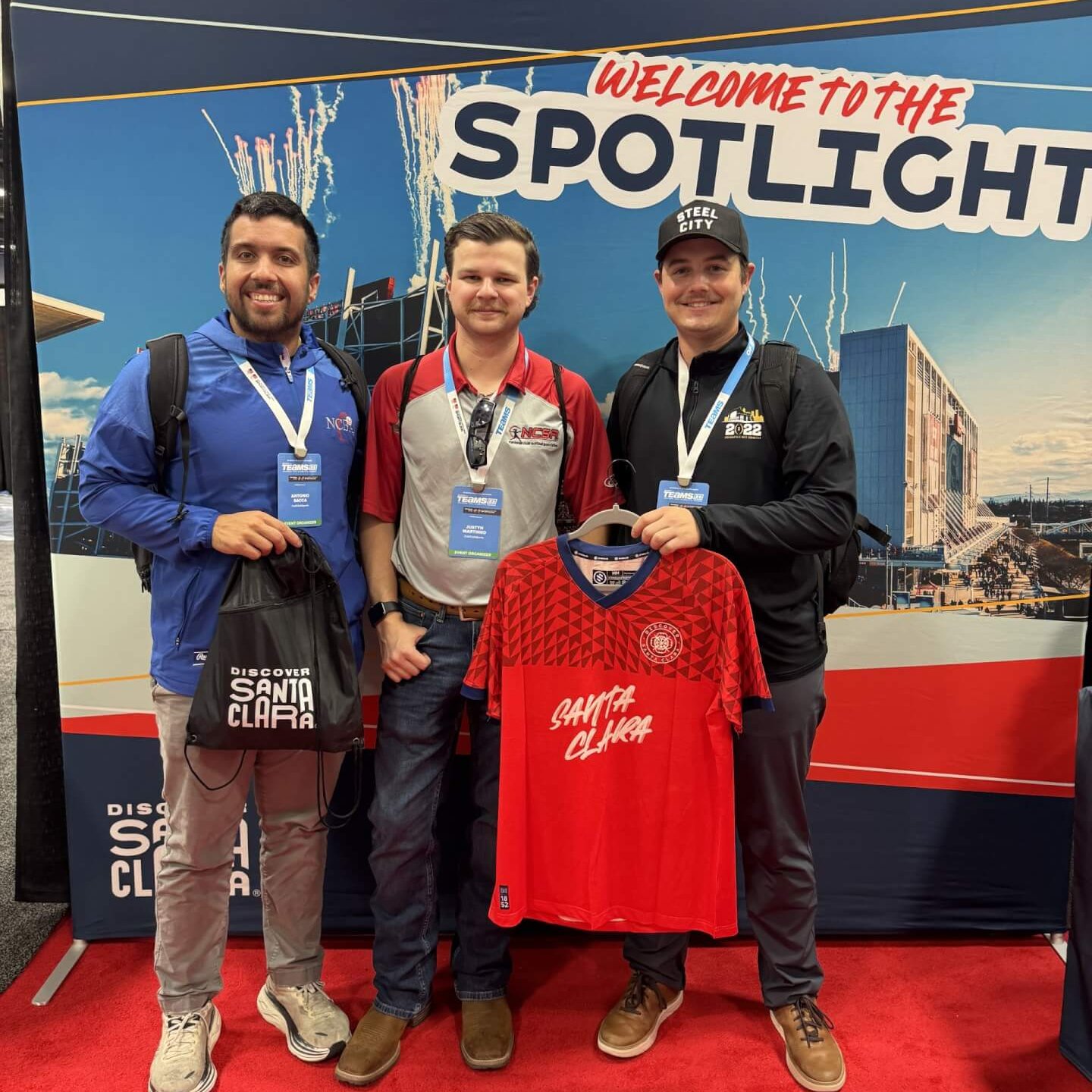
Santa Clara gets it. As a host city for the 2026 FIFA World Cup, they’re already leaning into the moment not just to drive game-day visitation, but to build long-term visibility. They brought the energy into their M&C strategy, giving meeting planners an interactive booth experience where they could customize their own Santa Clara soccer jersey. The World Cup drew them in, but the narrative built around it turned curiosity into connection and a one-time event into a lasting impression.
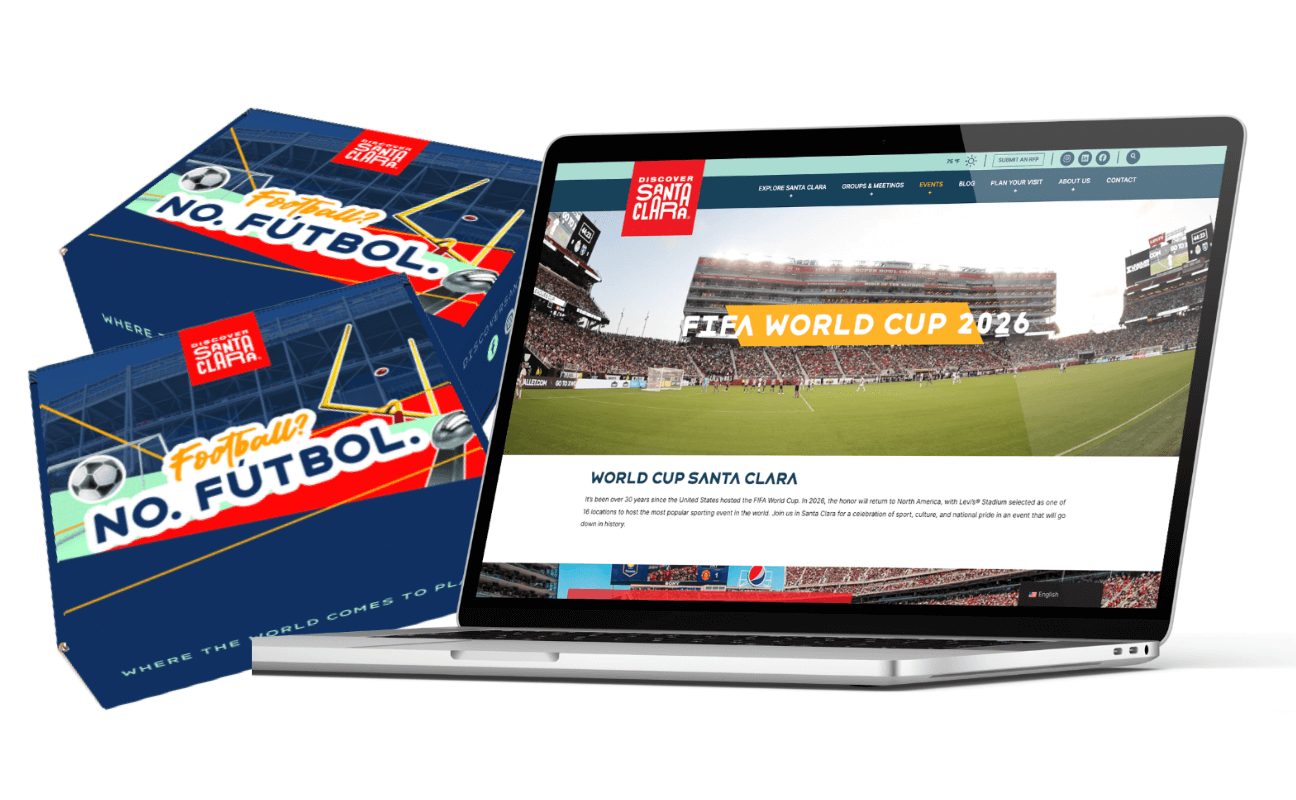
Cities that win in the event space pitch hard and invest smart. That means bidding on events that fit both in size and in vibe. Research from Longwoods International on the “Halo Effect” confirms that a destination’s tourism marketing not only drives visits, it also directly lifts the city’s image as a place to live, work, and start a business. This is the new definition of “event legacy”: using a moment of attention to permanently upgrade your economic reputation.
The key to success here is aligning the event with your city’s energy or start shaping an event that fits.
Whether your identity is indie and artsy, startup-smart, globally inclusive, or sports, the events you go after should echo it. This is about more than grabbing whatever will fill hotel rooms. It’s about strategically choosing events that actually fit the vibe, fuel your long-term brand, and mean something to your community. Cities that land headline events win by alignment
If your city’s already there, this is the moment to double down, amplify the hype, own the lane, and become the go-to host for that niche. Make it so when that event comes up, your city’s not an option, it’s the expectation. This is how good fits become signature events. And how signature events become part of your brand DNA.
If not? Start now. Build the story and the ecosystem that makes your city the obvious answer when the RFP drops two years from now. That means aligning your brand, your venues, your partnerships, and your pitch so when planners go looking, you’re already in their heads.The cities that win show up early, stay consistent, and make themselves impossible to ignore.
Economic Development: Lead the Story, Shape the City
To remain competitive your DMO has to lead as more than a tourism agency to shape perception and build belief among more than visitors. The goal now is to attract talent, residents, and future employers, which means stepping into the role of chief storyteller for your entire city and aligning with the partners that fuel long-term growth.
The old split between tourism and economic development is a line that’s already been erased by the cities that are winning. The new playbook says: Visit. Live. Work. And your DMO is already halfway there because no one sells quality of life like you do. Culture, amenities, access, energy that’s the same pitch that wins talent, founders, and HQs.
And the proof? It’s in the data. According to Development Counselors International (DCI), 52% of people considering relocation visit a tourism site first, and 14% of relocations start with a leisure trip. That means your work can be a key influencer in where people choose to build their lives and businesses.
Cities that want to level up are already making the shift. Tampa Bay didn’t settle for being a vacation hotspot. They wanted to be the place people come to stay, grow, and build. That’s why we helped create MakeItTampaBay.com, a bold, purpose-built platform that fused tourism with economic development, turning curiosity into conversion. While VisitTampaBay.com served up fun and sun, Make It Tampa Bay told the other half of the story: the booming business climate, the lifestyle perks, and the tools (job boards, cost of living calculators, founder stories) that made planting roots feel possible. This created a powerful, scroll-stopping brand ecosystem and a surge in site engagement, job interest, and long-term relocation traffic.
So what now?
Start building the right alliances. Partner with your chamber of commerce. Collaborate with the EDC. Get in the room with the mayor’s office and the university system. Create joint campaigns that blend lifestyle and opportunity, highlighting startup success, corporate relocations, job growth, and the kind of live/work potential that makes headlines.Because here’s the edge: when your city is becoming something, growing, evolving, turning heads, that energy is magnetic, so don’t bury it behind travel itineraries. Make it the headline and sell the momentum.
Redefining Destination Marketing
Taking your city to the next tier and staying there takes a shift from destination marketer to city brand architect.
You’ve already proven you can bring people in. Now it’s about building something bigger. This is where your DMO stops pushing visits and starts shaping perception of your city’s culture, community, and economic potential. That means claiming your space in M&C and sports and telling a story that attracts not just travelers, but talent, startups, and long-term investment.
So the question is: Are you ready to evolve from a top destination to a global city brand?