The New Gravity: Why Discovery and Trust Now Drive Every Purchase
August 12, 2025
For decades, marketing fought with the precision of a Stormtrooper—firing endlessly, hitting nothing. The old playbook, built on interruption and sheer volume, is a relic from a world that no longer exists. It generates noise, not meaning.
Today, consumers—not brands—set the orbit. They pull in the content, products, and voices they want, on their own terms. To win, brands must throw out the old map and meet consumers where they are: seeking genuine connection and earned trust.
This isn’t just a trend; it’s a new reality, accelerated by artificial intelligence’s role in personalizing content and filtering visibility. For instance, 2025 trends show AI drives 85% of successful marketing integrations, underscoring why brands must adapt to stay competitive and build lasting consumer loyalty.
From Funnel to Flywheel: The New Consumer Mandate is Discovery, Trust, Purchase (DTP)
This isn’t just a reordering of words; it’s a fundamental shift in the power dynamic. DTP puts consumers in the driver’s seat, forcing brands to stop shouting and start earning their way in. It replaces the one-way, transactional nature of AIDA with a cyclical, relationship-based model—what the Edelman Trust Barometer calls a “Trust Loop,” where trust drives growth, and real action earns that trust.
- Discovery: This is not AIDA’s “Attention.” Attention is about interruption—a brand shouting for a glance. Discovery is about invitation and relevance. It occurs when a consumer, driven by a specific need or curiosity, actively seeks an answer and finds a brand that provides the most valuable solution. The role of advertising here is no longer to interrupt, but to place compelling, valuable invitations in the consumer’s path through smart, intent-based media placements.
- Trust: This is the most critical stage and the one most absent from legacy models. After discovering potential solutions, the modern consumer enters a validation phase. In a world where 75% of consumers avoid online ads, they turn to their most trusted sources: peers, authentic user-generated content (UGC), credible creators, and earned media. A modern media strategy uses paid advertising not to create trust from scratch, but to amplify the trust signals generated by these authentic sources.
- Purchase: In this framework, a purchase isn’t a forced conversion; it’s a natural outcome. It is the logical conclusion that follows when overwhelming trust ratifies a compelling discovery.
Quantifying the Trust Deficit: Why This Shift is Non-Negotiable
The 2025 Edelman Trust Barometer highlights a trust crisis, with 69% of consumers fearing deliberate deception by leaders and 88% prioritizing trust in purchase decisions. As traditional institutions like government and media falter, brands that fill this trust gap—evidenced by 80% of consumers trusting ‘My Brands’—gain a competitive edge.
With a staggering 69% of people worrying that leaders are deliberately misleading them, into this vacuum of authority step new voices. Consumers now consider a peer—”someone like me”—as trustworthy as a scientist (74%) for information.
This sentiment is echoed by Scott Cook, director of eBay and Procter & Gamble, who states, “A brand is no longer what we tell the consumer it is — it is what consumers tell each other it is”. Power has definitively shifted from the broadcast message to the peer-to-peer conversation. Former J. Walter Thompson creative chief Craig Davis summarizes the new mandate: “We need to stop interrupting what people are interested in and be what people are interested in”.
We see this as an opportunity: brands filling the trust vacuum can achieve 2x profitability from emotional campaigns (neuroscience data), reshaping marketing from transactional to transformative.
Building Trust Through Experience and Authenticity
People will always remember how you made them feel. That’s why we build moments, not just media buys—placing trust at the core of everything we do. This isn’t just theory—it’s already shaping how leading brands connect with their audiences.
This isn’t just theory. Look at our work with Visit Idaho. Our “Beyond Words” campaign was not a typical ad push. The campaign was an invitation to feel the state’s spirit through authentic imagery and local voices. We gave that feeling a heartbeat with The 3100. A bold, visually driven campaign celebrating Idaho’s 3,100 miles of whitewater that dared people not just to witness the adventure, but to grab a paddle and be a part of it. We built Trust by amplifying peer-to-peer validation through our “Beyond Known Destinations” initiative. This effort shifted the spotlight from landmarks to local heroes—small business owners and residents who have incredibly high trust ratings—allowing them to share what makes Idaho special in their own words.
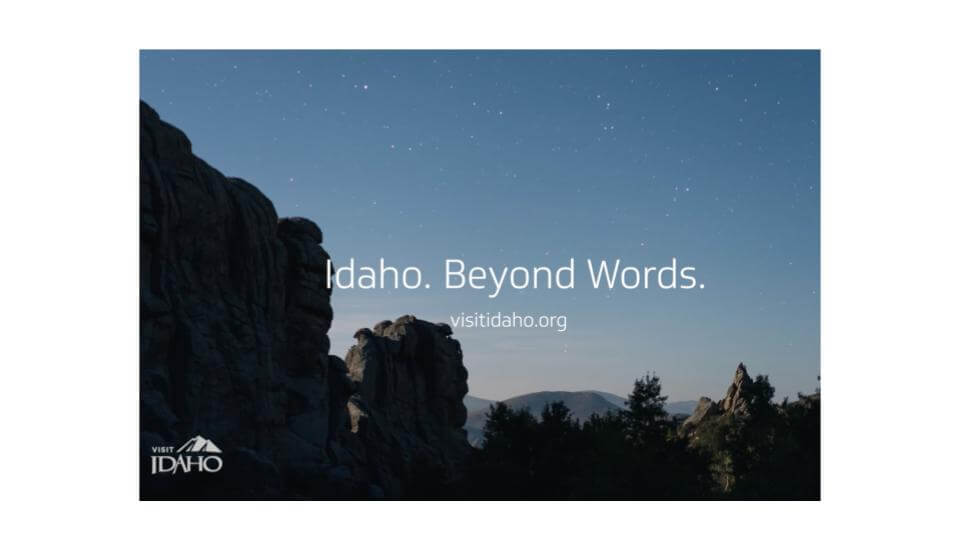
This authentic narrative resonated deeply, earning a Platinum Adrian Award from the Hospitality Sales & Marketing Association International (HSMAI) for its integrated success. The client’s response captured the spirit of the campaign. Diane Norton, Idaho Tourism Manager, stated at the time, “Visit Idaho is honored to be recognized with these awards. Our staff and agency teams are passionate about Idaho and are excited to put forward more creative and powerful messaging to promote the Gem State.”
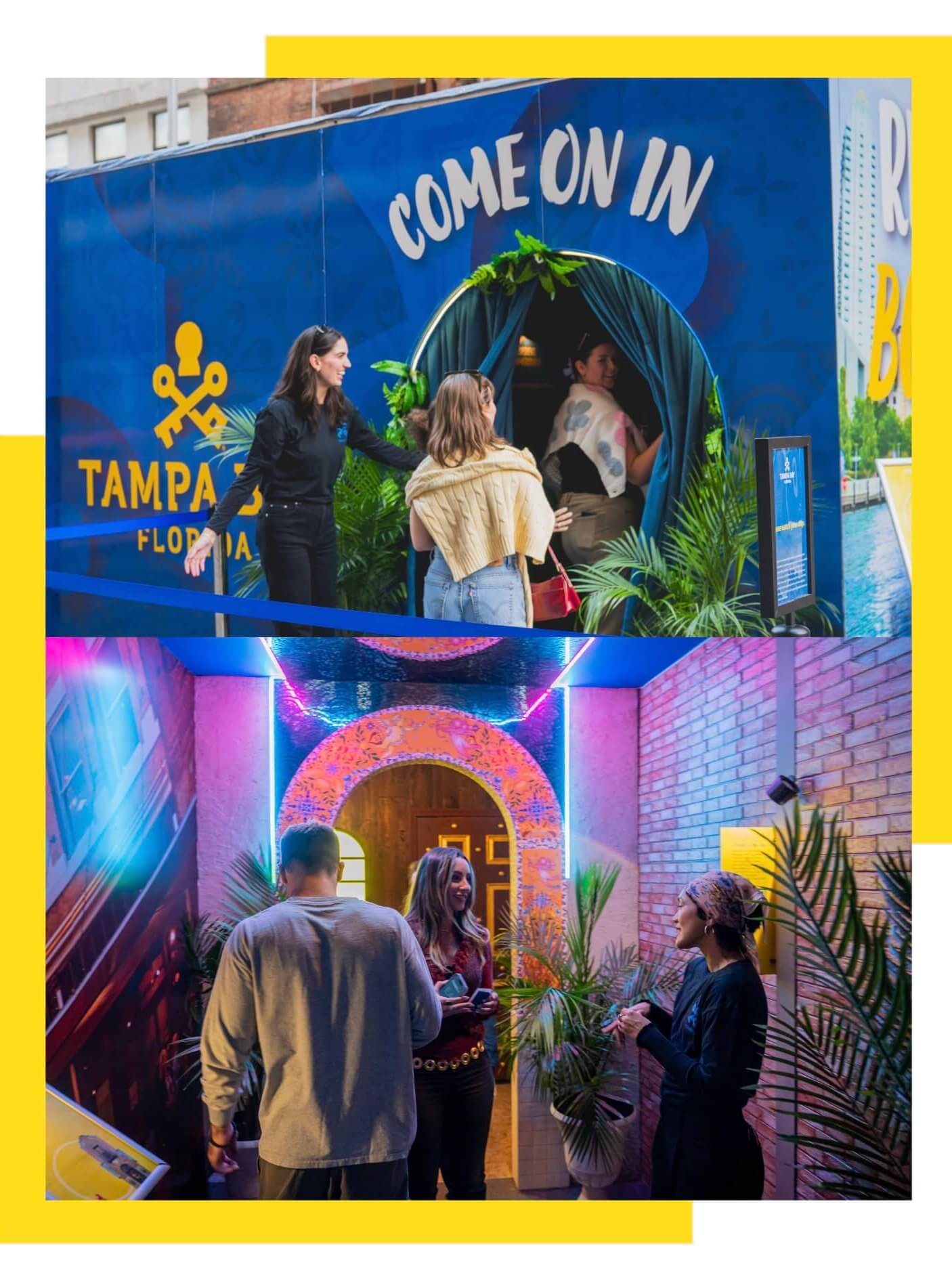
Similarly, our “Unlocking Tampa Bay” AR experience didn’t just tell people in cold-weather cities to come visit; it made them feel the energy of Tampa Bay before they even bought a plane ticket. We built a multi-sensory activation in a 24′ x 20′ container that let people step into the destination. With projection mapping, ambient soundscapes, textured flooring, and even a custom scent called “Tampa Bay Sunrise,” we created storytelling through experience. This wasn’t about generating impressions; it was about creating emotional traction and turning passive awareness into active desire by letting people feel the destination for themselves.
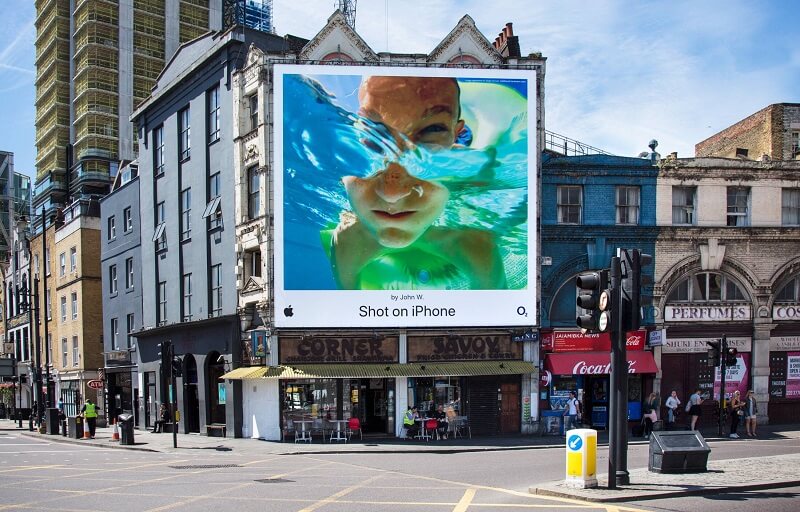
Outside of tourism, Apple’s “Shot on iPhone” campaign is perhaps the ultimate example of mastering the Trust phase. Facing skepticism about its camera quality, Apple didn’t launch an ad campaign with technical specifications and corporate claims. Instead, it built a platform for its users to provide the proof. By turning its global user base into a legion of trusted advocates, Apple generated overwhelming, authentic, peer-driven evidence of the product’s value. The campaign didn’t just sell a phone; it validated a community’s creative potential, building a fortress of trust that no competitor’s spec sheet could breach.
The age of the brand-as-dictator is over. Winning now means replacing the outdated AIDA mindset with the DTP cycle: sparking Discovery through genuine relevance, earning Trust through radical authenticity, and allowing the Purchase to become the natural, inevitable outcome. Brands that make this shift don’t just survive; they build a loyal following that competitors can’t touch. They build something that lasts.
Next: In Part 2, We’ll pull back the curtain on the technology that stands between your brand and your audience—and show you how to make it an ally, not an adversary.